Original: Chale Yang, Sealed Technology
In pharmaceutical R&D and manufacturing, numerous transfer and handover operations are routinely required. Ensuring the rapid and secure transfer of materials, tools, and equipment necessitates well-designed solutions.
Several interaction methods exist within controlled environments:
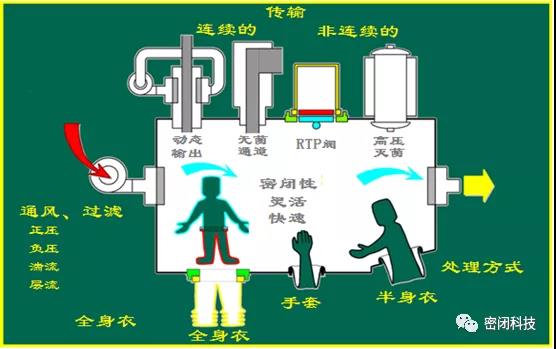
Typically, the transfer of materials and tools requires the use of pass-through chambers, airlocks, buffers, and similar equipment. These processes often necessitate self-cleaning cycles (sterilization is also required for aseptic transfers), involve lengthy transfer times, and feature complex procedures, making rapid transfer impractical.
RTP Valves (Rapid Transfer Ports):
A rapid transfer device for controlled environments that facilitates the transfer of materials without compromising the overall environment or requiring intermediate sterilization steps.
Features a mechanical system with a range of different diameters.
Simple structure, easy to validate.
Solid Transfer Applications
This system is used for transferring sterile or hazardous components (plugs, syringes, swabs, maintenance tools, etc.) into or out of a process. Beta valves can be selected in various materials depending on the existing sterile system.
Liquid Transfer Applications
Fluid connection devices can be integrated with sterilization equipment, process equipment, or environmental monitoring systems through diverse flange mounting configurations.
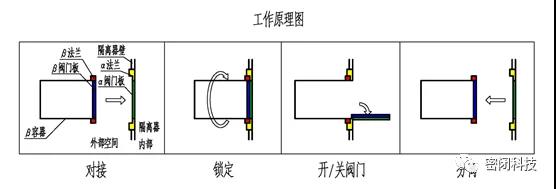
A qualified RTP system should possess:
▶ Known leak-tight performance
▶ Reliable mechanical interlocks
▶ Reliable, verifiable sealing performance
▶ Excellent ergonomics and ease of operation
▶ Fully replaceable components
▶ Material compatibility for diverse applications
CAPE Europe RTP System Product Line
Specifications and Dimensions:
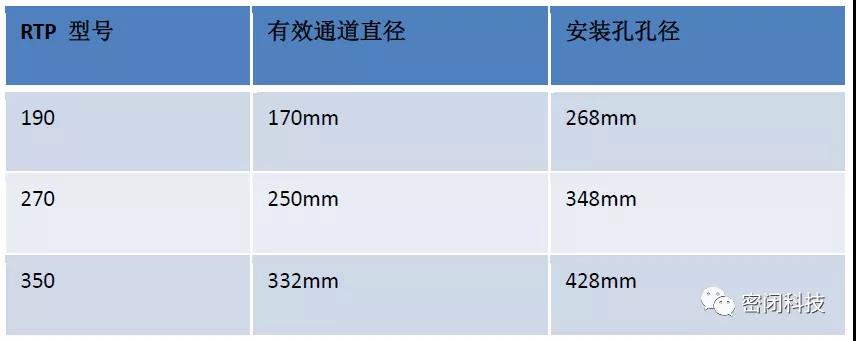
Leakage Rate Test:
Test results at 500Pa pressure: Pressure drop less than 1Pa per minute (Model 270)
Normal Operating Pressure Range: ±500Pa
Maximum Allowable Pressure: +3800Pa
Surface Roughness: Better than 0.6Ra (ISO 1302 equivalent to 1.6μm)
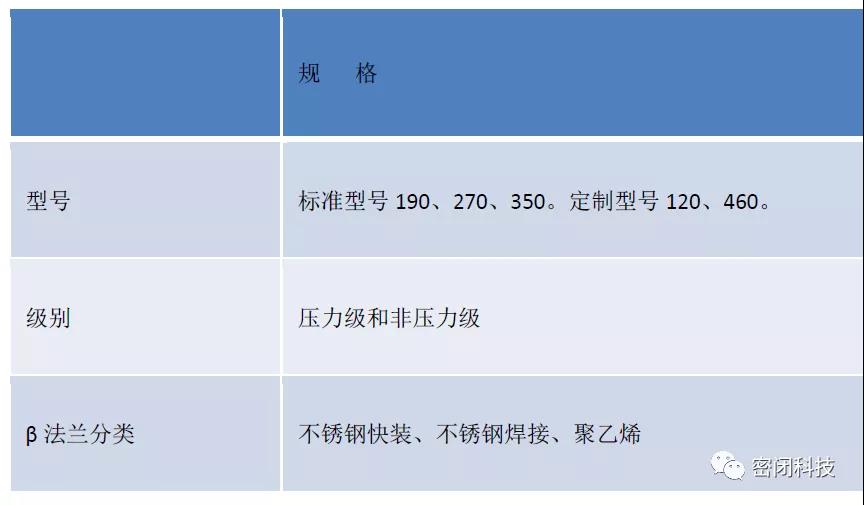
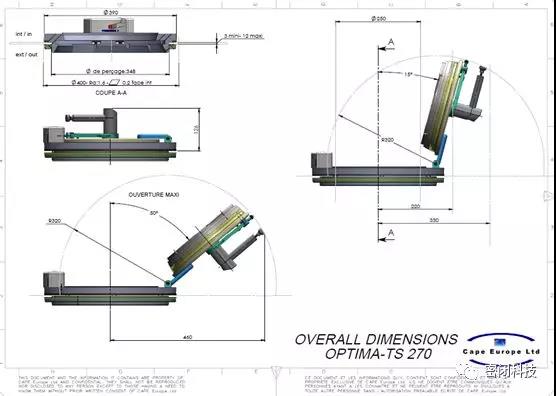
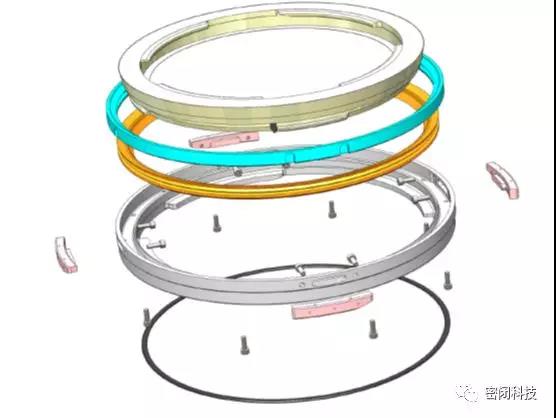
Innovative Design of Beta Flanges
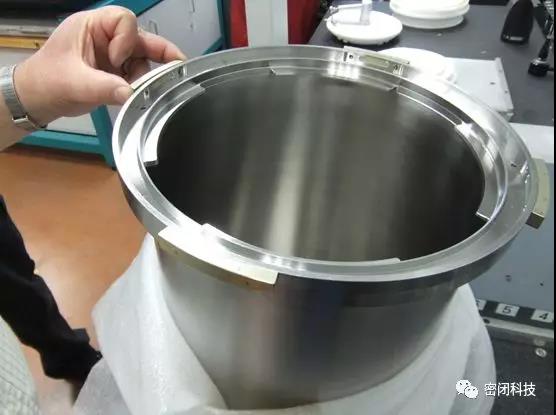
Clamp-Type Installation
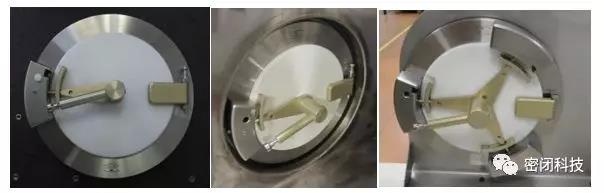
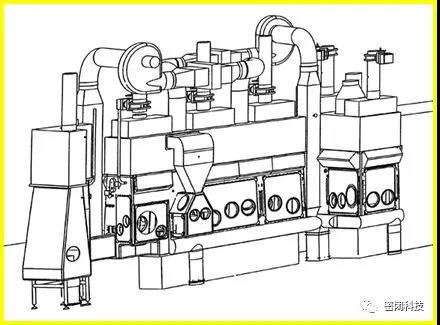
RTP α valve (one per side) transmits once every 20 minutes.




 306, Building 10, Haier Zhigu, No. 66 Guangfulin East Road,
Zhongshan Street, Songjiang District, Shanghai
306, Building 10, Haier Zhigu, No. 66 Guangfulin East Road,
Zhongshan Street, Songjiang District, Shanghai +86-21-57863517
 +86 18221277621(WhatsApp)
 +86-21-57863517